


Heat pump repair in Natick is the process of diagnosing and fixing heating and cooling system faults to restore proper function and home comfort. A heat pump serves double duty, handling both heating in winter and cooling in summer, so when it fails, your entire home comfort system goes down. Common signs that signal a repair need include cold air blowing during heat mode, the system running but never reaching thermostat settings, and short cycling. For Natick homeowners facing New England winters and humid summers, knowing what heat pump service Natick professionals handle versus what you can check yourself saves time, money, and stress.
What common signs indicate your heat pump needs repair?
Catching problems early prevents small faults from becoming expensive replacements. These are the warning signs Natick homeowners should never ignore.
- House never reaches set temperature. A heat pump that runs constantly but fails to reach thermostat settings points to low refrigerant, a failing compressor, or a clogged air filter. This is not a “give it more time” situation. The system is working harder than it should and wearing itself out.
- Cold air blowing in heat mode. If your vents push cold air while the thermostat is set to heat, the reversing valve is the most likely culprit. This valve switches the system between heating and cooling modes, and when it sticks, heat mode stops working entirely.
- Short cycling. A heat pump that turns on and off every few minutes is short cycling, which stresses the compressor and accelerates wear. Causes include oversized systems, low refrigerant, clogged filters, or faulty thermostats. Left untreated, short cycling shortens the system’s lifespan significantly.
- Unusual noises or smells. Grinding, rattling, or squealing sounds point to mechanical wear inside the unit. A burning smell suggests electrical issues. Neither should be dismissed as normal operation.
- Rising energy bills. If your electricity bill climbs without any change in usage habits, your heat pump is losing efficiency. Dirty coils, low refrigerant, or failing components all force the system to consume more power to deliver the same output.
Natick’s climate adds pressure to these issues. Cold snaps in january and february push heat pumps to their limits, and systems with existing faults fail faster under that load.
Pro Tip: Keep a simple log of when your heat pump acts up, what the outdoor temperature was, and what the thermostat was set to. That information cuts diagnostic time in half when a technician arrives.
What DIY checks can natick homeowners do before calling a technician?
Many heat pump service calls are resolved by checking thermostat, filter, and breaker first. Before you schedule a repair visit, work through these steps in order.
- Check your air filter. A clogged filter restricts airflow, forces the blower to overwork, and can cause coils to ice over. Pull the filter out and hold it up to light. If you cannot see through it, replace it. This single step resolves a surprising number of heat pump complaints.
- Verify thermostat settings. Confirm the thermostat is set to the correct mode, Heat or Cool, not Fan Only. Check that the temperature setting is actually above or below the current room temperature, depending on the season. A thermostat misconfiguration mimics serious mechanical failure and is the easiest fix available.
- Inspect your circuit breakers. Go to your electrical panel and check whether the breaker for the heat pump or air handler has tripped. Reset it once if it has. If it trips again immediately, stop and call a professional. A breaker that keeps tripping signals a deeper electrical problem.
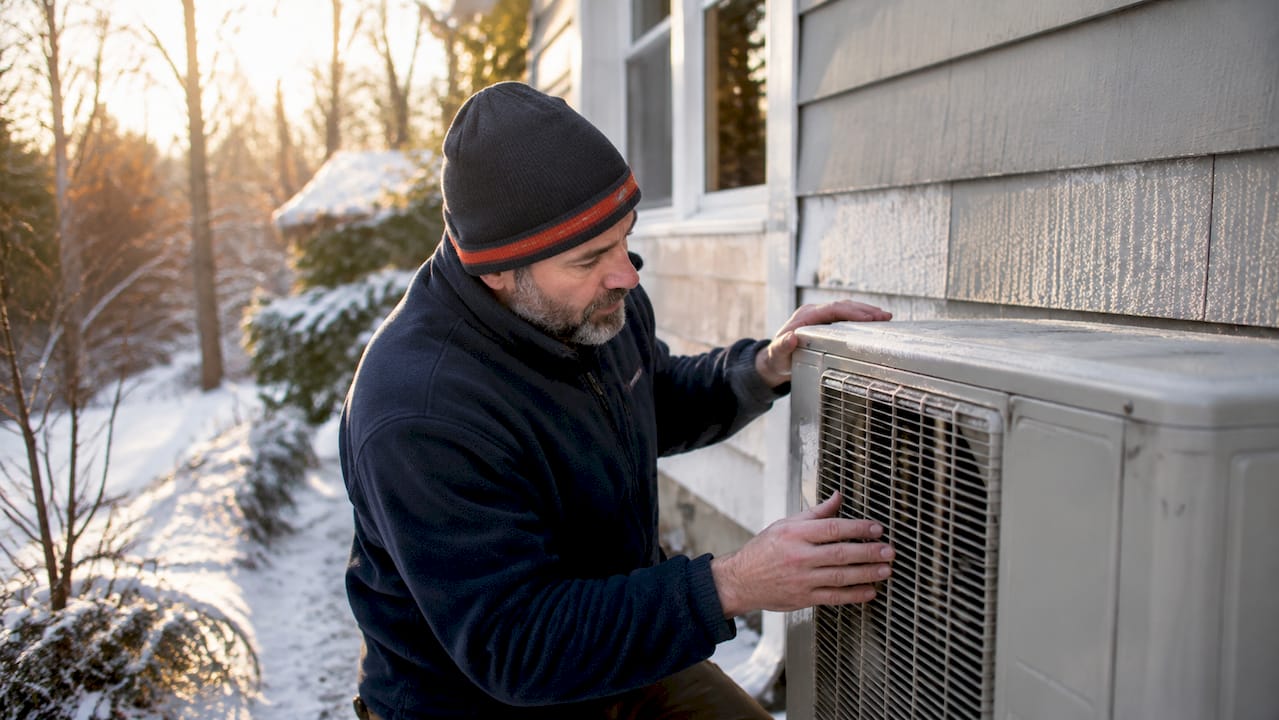
- Understand the defrost cycle. During cold weather, the outdoor unit periodically frosts over and runs a defrost cycle to clear it. This is normal. The system may briefly blow cool air and steam may rise from the outdoor unit. If heavy ice persists for more than two hours, that is abnormal.
- Never force ice off the outdoor unit. DIY forced ice removal risks bending the delicate aluminum fins and damaging refrigerant lines. The safe approach is to shut the system off and let the ice melt naturally, then call a technician if icing recurs.
Pro Tip: Set a calendar reminder to check your air filter every 30 days during peak heating and cooling months. A clean filter is the cheapest heat pump maintenance Natick homeowners can do on their own.
What mechanical issues require professional heat pump repair in natick?
Some faults go beyond what any homeowner should attempt to fix. These are the most common mechanical problems that require a certified HVAC technician.
- Reversing valve failure. This valve controls whether the system heats or cools. When it sticks in cooling mode, you get cold air no matter what the thermostat says. Reversing valve replacement costs $1,200 to $2,200 and requires a licensed technician to handle refrigerant safely.
- Low refrigerant from leaks. Refrigerant does not get “used up.” If levels are low, there is a leak somewhere in the system. Low refrigerant impairs heat transfer, causes the system to run longer, and eventually leads to compressor damage. A technician must locate the leak, repair it, and recharge the system.
- Defrost system malfunctions. If the defrost board, sensor, or relay fails, the outdoor coil ices over completely and the system loses efficiency or shuts down. This is a common issue in Natick winters and requires component-level diagnosis.
- Compressor problems. The compressor is the heart of the heat pump. Electrical failures, refrigerant contamination, or age-related wear can cause it to fail. Compressor replacement is one of the most expensive repairs in HVAC and sometimes makes replacement of the whole unit more cost-effective.
- Backup heat strip failures. Most heat pumps include electric resistance backup heat strips that activate in very cold weather. When these fail, the system cannot maintain temperature during the coldest nights, which is exactly when you need it most.
Here is a quick reference for common repairs and their typical cost ranges:
| Repair Type | Typical Cost Range |
|---|---|
| Reversing valve replacement | $1,200–$2,200 |
| Refrigerant leak repair and recharge | $200–$1,500 |
| Defrost board or sensor replacement | $100–$600 |
| Compressor replacement | $1,300–$2,500 |
| Backup heat strip replacement | $150–$700 |
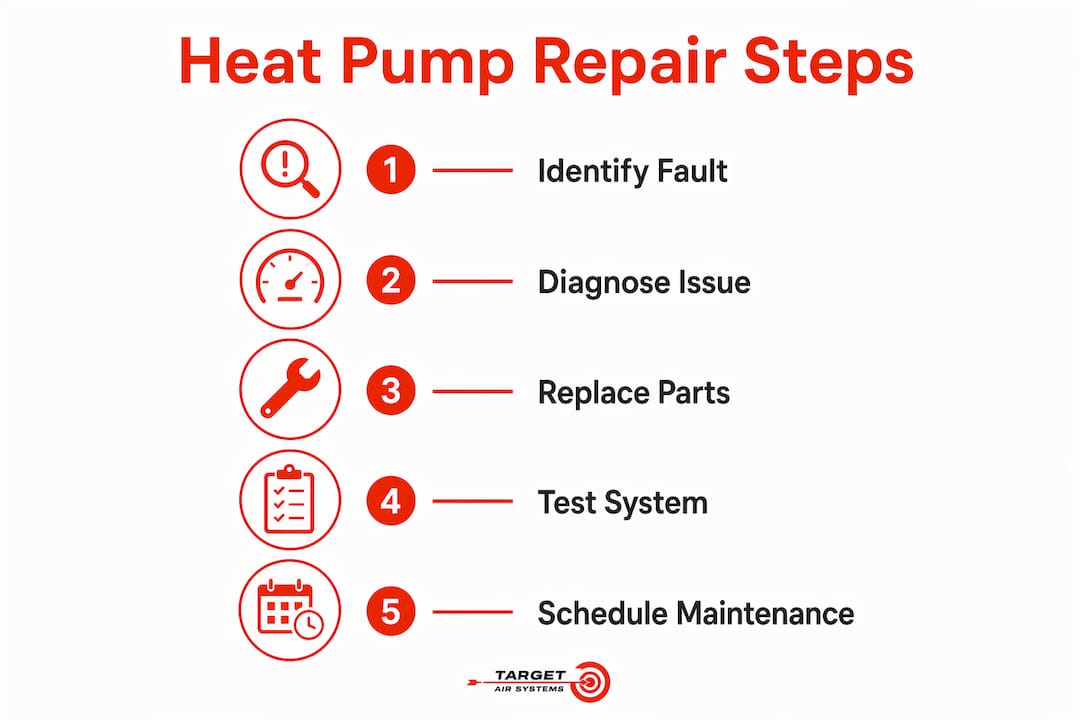
Professional heat pump repair includes full diagnostics, refrigerant handling, component replacement, and system calibration. Certified technicians carry the tools and licenses that make safe, accurate repairs possible.
How does regular heat pump maintenance reduce repair needs?
Biannual maintenance before heating and cooling seasons catches small issues before they become expensive breakdowns. Scheduling a tune-up in the fall before heating season and again in the spring before cooling season keeps your system running at full capacity year-round.
A professional heat pump maintenance Natick visit typically covers filter replacement, refrigerant level checks, coil cleaning, electrical connection tightening, thermostat calibration, and a full system inspection. Each of these tasks addresses a known failure point before it causes a breakdown.
The comparison below shows why maintenance pays for itself:
| Approach | Average Annual Cost | Risk Level |
|---|---|---|
| Biannual professional maintenance | $150–$300 | Low |
| Reactive repair only | $500–$2,500+ per incident | High |
| No maintenance, no repair | $0 short-term | Very high (early replacement) |
New England’s climate makes this especially relevant. Natick heat pumps cycle hard through cold winters and humid summers. That stress accelerates wear on coils, electrical contacts, and refrigerant lines. Seasonal maintenance is the single most effective way to extend equipment lifespan and avoid peak-season failures when technician availability is tightest.
Pro Tip: Schedule your fall maintenance in september or october, before the first cold snap. Technician availability drops sharply once temperatures fall below freezing and emergency calls spike.
What should natick homeowners expect from a professional repair visit?
Knowing what happens during a professional HVAC repair services Natick visit removes the uncertainty and helps you ask the right questions.
- Upfront diagnostics with clear pricing. A reputable technician diagnoses the system before quoting repairs. You should receive a written estimate before any work begins. No surprises after the job is done.
- Refrigerant handling by licensed technicians. EPA Section 608 certification is required to handle refrigerants legally. Always confirm your technician holds this credential before allowing refrigerant work.
- Component replacement with tested parts. Quality repair means replacing failed components with manufacturer-approved parts, not generic substitutes. Ask what brand of parts the technician uses.
- System calibration after repair. A proper repair does not end at part replacement. The technician should verify the system heats and cools to thermostat settings, check airflow at registers, and confirm the defrost cycle operates correctly.
- Service warranty. Reputable HVAC companies stand behind their work. Ask for the warranty period on both parts and labor before signing anything.
Target Air Systems serves Natick homeowners with certified heat pump technicians who provide upfront pricing and guarantee service completion before payment is required. That structure protects you as the homeowner.
What i’ve learned about heat pump repair after years in natick homes
The most common mistake I see Natick homeowners make is waiting too long. A heat pump that short cycles or blows lukewarm air in january is not “good enough for now.” Every week that problem runs unchecked, the compressor absorbs more stress and the repair bill grows.
The second mistake is the opposite: calling for professional repair before doing the five-minute checks. I have seen technicians arrive to find a tripped breaker or a filter so clogged it looked like a wool blanket. Those calls cost homeowners a service fee for something they could have resolved themselves in ten minutes.
The honest truth about heat pump maintenance Natick homeowners resist hearing is this: a $200 tune-up in october is not an expense. It is insurance against a $1,500 emergency repair in february when every HVAC company in Middlesex County is fully booked. The homeowners who call me in a panic during a cold snap are almost always the ones who skipped the fall service visit.
One more thing worth saying directly: if your heat pump is more than 15 years old and facing a compressor or reversing valve replacement, get a replacement quote alongside the repair quote. Sometimes the math clearly favors a new system, and a trustworthy technician will tell you that honestly rather than push a costly repair on aging equipment.
— Warren
Target air systems: reliable heat pump repair and service in natick
Target Air Systems provides heat pump repair and maintenance for homeowners throughout Natick and the surrounding MetroWest area. Their screened, certified technicians diagnose problems accurately, provide upfront pricing with no hidden fees, and complete service before payment is required. Whether you need a refrigerant recharge, reversing valve replacement, or a seasonal tune-up, Target Air Systems handles the full range of heat pump issues. They also serve neighboring communities including Framingham and Wayland. Ready to get your system back on track? Request a quote and schedule your inspection today.
FAQ
What is heat pump repair in natick?
Heat pump repair in Natick is the process of diagnosing and fixing faults in residential heat pump systems to restore proper heating and cooling function. Common repairs include reversing valve replacement, refrigerant leak repair, defrost system fixes, and compressor service.
How do i know if my heat pump needs repair or just maintenance?
If your heat pump is blowing cold air in heat mode, short cycling, or making unusual noises, it likely needs repair. If it is running normally but has not been serviced in over a year, a maintenance tune-up is the right call.
Can i fix my heat pump myself?
Homeowners can safely check and replace air filters, verify thermostat settings, and reset tripped breakers. Anything involving refrigerant, electrical components, or mechanical parts requires a licensed HVAC technician.
How much does heat pump repair cost in natick?
Repair costs vary by fault type. Reversing valve replacement runs $1,200 to $2,200, refrigerant leak repair ranges from $200 to $1,500, and defrost component repairs typically fall between $100 and $600.
How often should i schedule heat pump maintenance in natick?
Twice per year is the standard recommendation, once before the heating season in fall and once before the cooling season in spring. This schedule catches developing faults early and keeps the system running efficiently through New England’s demanding climate.
Key takeaways
Effective heat pump repair in Natick starts with recognizing symptoms early, performing safe DIY checks, and calling certified professionals for mechanical faults before they escalate into full system failures.
| Point | Details |
|---|---|
| Spot warning signs early | Cold air in heat mode, short cycling, and rising bills all signal repair needs before full failure. |
| DIY checks save money | Checking filters, thermostat settings, and breakers resolves many issues without a service call. |
| Mechanical repairs need professionals | Reversing valve, refrigerant, and compressor faults require licensed technicians with proper tools. |
| Biannual maintenance prevents breakdowns | Scheduling tune-ups in fall and spring reduces emergency repair risk and extends system lifespan. |
| Upfront pricing protects homeowners | Always get a written estimate before repair work begins and confirm technician certifications. |