


An HVAC maintenance checklist is a structured list of inspections, cleaning tasks, and system checks that homeowners perform or schedule to keep heating and cooling equipment running safely and efficiently. Systems that skip this routine use up to 25% more energy, adding roughly $600 per year to a typical household energy bill. The ENERGY STAR program and ACCA 4 QM standard both recognize preventive maintenance as the single most cost-effective way to extend equipment life and reduce operating costs. This guide breaks down every component of a solid HVAC maintenance checklist, explains when to act, and shows you how to document everything properly.
What is an HVAC maintenance checklist and what does it cover?
A preventive maintenance checklist for HVAC systems is a documented framework that organizes every required task into eight core areas. According to ServiceFusion, a complete checklist covers filters and airflow, cooling systems, heating systems, drainage, electrical connections, thermostat controls, mechanical parts, and a full system safety check. Skipping any one of these areas creates a weak link that can trigger failures at the worst possible time, typically during a heat wave or a January cold snap.
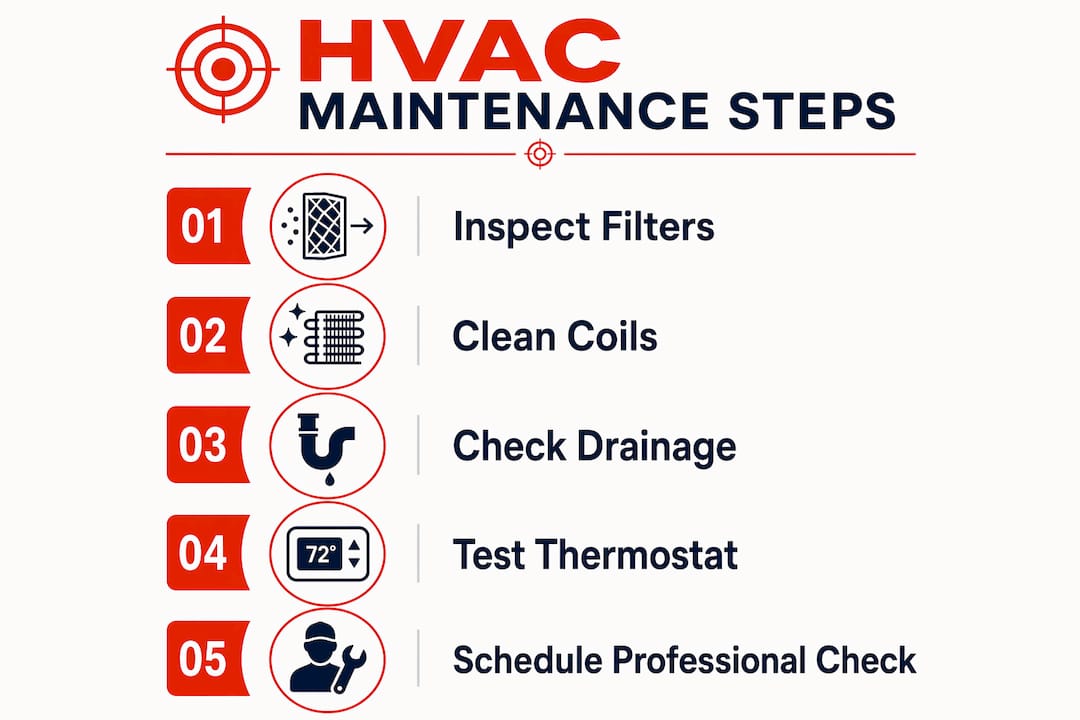
Here is what each area includes in practice:
- Filters and airflow: Inspect and replace air filters every one to three months. Replacing filters regularly can improve energy efficiency by up to 15%, while dirty coils cause an additional 5 to 10% efficiency loss.
- Cooling system: Clean evaporator and condenser coils, check refrigerant levels, and inspect the blower for debris. Refrigerant checks require a licensed technician.
- Heating system: Verify gas pressure, inspect the heat exchanger for cracks, and confirm burner operation. A cracked heat exchanger is a carbon monoxide risk, not a DIY task.
- Drainage system: Clear condensate drain lines and pans to prevent water damage and mold growth. This is one of the most overlooked tasks on any checklist.
- Electrical system: Tighten all electrical connections, test capacitors, and check amp and volt readings. Loose connections cause premature motor failure.
- Thermostat controls: Verify temperature calibration, test all modes, and confirm scheduling settings are correct for the season.
- Mechanical parts: Lubricate motors and bearings, inspect fan belts for wear, and check for unusual vibration or noise.
- Full system safety check: Confirm all safety controls operate correctly, including limit switches and pressure cutoffs.
Pro Tip: Before each seasonal tune-up, write down any comfort complaints you noticed over the past few months, such as uneven temperatures or higher bills. This gives your technician a starting point that saves diagnostic time and money.
How often should you perform HVAC maintenance?
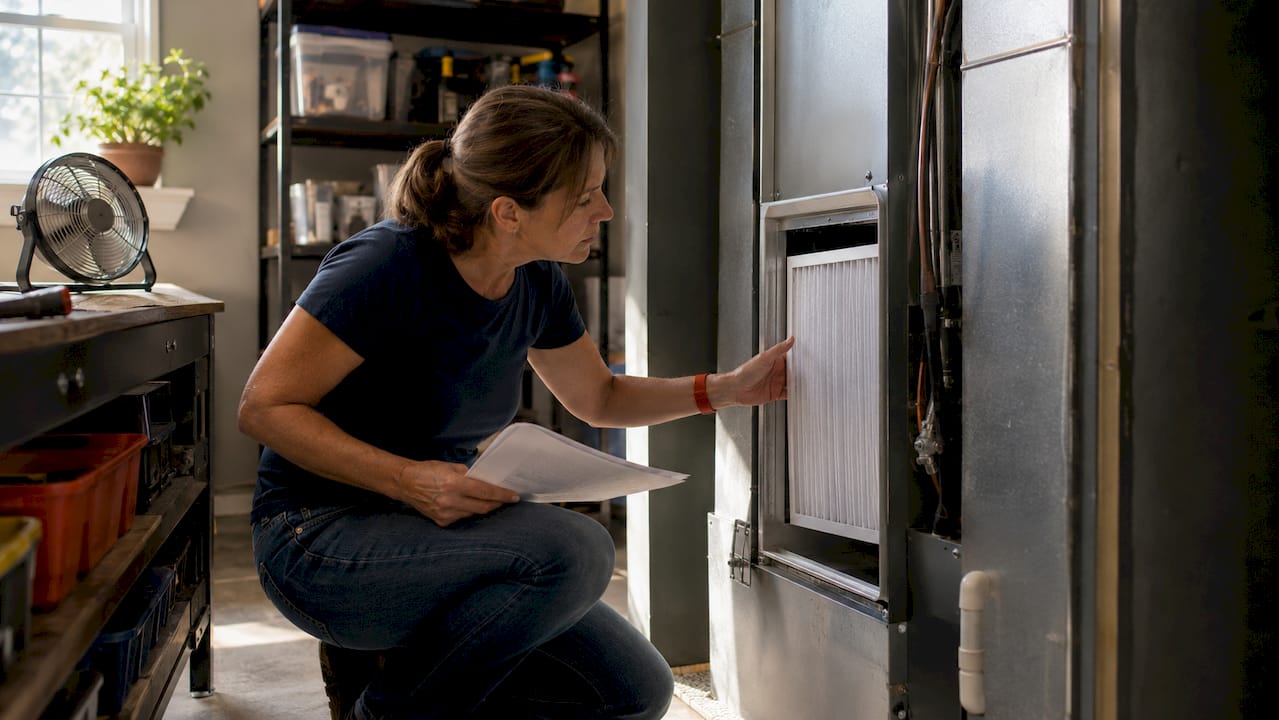
Timing is where most homeowners fall short. Professional maintenance twice a year, scheduled in spring before cooling season and in fall before heating season, is the industry standard. This schedule catches problems before peak demand and keeps manufacturer warranties intact.
Between professional visits, a monthly DIY routine protects your investment. Here is a practical schedule to follow:
- Every month: Visually inspect the air filter. Replace it if it looks gray or clogged. Homes with pets or allergy sufferers should replace filters every 30 days without exception.
- Every three months: Check condensate drain lines for blockages, inspect the area around the outdoor unit for debris, and verify thermostat settings match the season.
- Every six months (spring and fall): Schedule a professional tune-up. This is when a certified technician performs the full eight-area checklist, records system readings, and flags any developing issues.
- Annually: Review your maintenance log, compare energy bills year over year, and confirm your warranty documentation is current.
“Preventive maintenance shifts HVAC care from reactive repairs to proactive scheduling, preventing costly breakdowns during the months when your system works hardest.”
Homes in extreme climates, those with high-efficiency systems, or households with members who have respiratory conditions may need monthly filter changes and quarterly professional inspections. The cost of an extra service visit is always less than an emergency repair call or a full system replacement.
How to document HVAC maintenance records effectively
The role of HVAC maintenance records goes well beyond simple organization. Proper documentation supports warranty compliance, validates energy efficiency claims, and adds measurable resale value to your home. Most manufacturer warranties require verifiable annual professional maintenance. Failure to provide those records can void coverage entirely, leaving you responsible for a repair that should have cost nothing.
What to keep in your maintenance file:
- Service receipts and invoices: Every professional visit should generate a dated invoice listing the tasks completed and parts replaced.
- Technician notes and readings: Ask your technician to record amp and volt measurements, refrigerant pressures, and temperature differentials. These numbers establish a baseline that makes future anomalies obvious.
- Filter replacement dates: A simple handwritten log on the inside of the filter cabinet door works fine. Digital notes in your phone work equally well.
- System performance observations: Note any changes in comfort, unusual sounds, or spikes in your energy bill. These observations help technicians diagnose problems faster.
- Equipment documentation: Keep the original installation paperwork, model and serial numbers, and the manufacturer warranty card in the same file.
The most reliable approach is what Real Estate Ledger calls a “system biography.” This means combining a physical binder with cloud storage of scanned invoices and technician notes. If you sell your home, this file becomes a selling point. Buyers and home inspectors view a complete HVAC service history as evidence of a well-maintained property.
Pro Tip: Photograph your system’s data plate, filter size label, and any technician notes before filing them. Store the photos in a dedicated folder in Google Drive or iCloud so you can access them instantly when calling for service.
Documentation also helps technicians identify trends. Early detection of equipment degradation through consistent record-keeping prevents the kind of gradual decline that ends in a full system failure. A technician who can see three years of refrigerant readings will spot a slow leak long before it becomes a crisis.
DIY tasks versus when to call a professional
Knowing where the line falls between homeowner tasks and professional work protects both your safety and your system. Some checklist items are straightforward. Others carry real risk if handled incorrectly.
Tasks you can handle yourself:
- Replacing air filters on schedule
- Cleaning debris from around the outdoor condenser unit
- Checking and replacing thermostat batteries
- Clearing visible blockages from condensate drain lines with a wet/dry vacuum
- Keeping supply and return vents unobstructed by furniture or rugs
Tasks that require a licensed technician:
- Refrigerant level checks and recharging. Handling refrigerant without EPA certification is illegal and dangerous.
- Electrical inspections, capacitor testing, and connection tightening
- Heat exchanger inspection for cracks or corrosion
- Coil cleaning with chemical agents
- Verifying airflow balance and refrigerant charge, which many homeowners overlook but are critical for preventing hidden damage
Professional visits under the ACCA 4 QM standard include not just inspections but corrective actions. A qualified technician cleans coils, tightens electrical connections, clears condensate drains, and records specific system readings to verify the work. This documentation is what makes the visit count toward your warranty. Choosing a technician who follows this standard is not optional if you want your warranty to remain valid.
When selecting a service provider, look for NATE certification, upfront pricing with no hidden fees, and a written summary of every task completed. A technician who hands you a blank invoice or refuses to record system readings is not meeting the standard your equipment requires. For seasonal HVAC maintenance, the quality of the provider matters as much as the frequency of the visit.
Key takeaways
A consistent HVAC maintenance checklist, backed by accurate records and professional service twice a year, is the most direct path to lower energy bills, longer equipment life, and valid warranty coverage.
| Point | Details |
|---|---|
| Follow the eight-area checklist | Cover filters, cooling, heating, drainage, electrical, thermostat, mechanical parts, and safety every service visit. |
| Schedule twice-yearly professional visits | Spring and fall tune-ups prevent peak-season failures and satisfy most manufacturer warranty requirements. |
| Replace filters every one to three months | Regular filter changes improve energy efficiency by up to 15% and cost far less than a service call. |
| Document every service visit | Keep receipts, technician readings, and system notes in both a physical binder and cloud storage. |
| Know which tasks need a pro | Refrigerant checks, electrical work, and coil cleaning require a licensed technician to stay safe and compliant. |
Why I think most homeowners wait too long
I have seen the same pattern repeat itself more times than I can count. A homeowner skips the fall tune-up because the system seems fine, then calls for emergency service in February when the furnace stops working on the coldest night of the year. The repair almost always costs three to five times what a preventive visit would have cost. Worse, the breakdown was visible in the data months earlier. A technician who had recorded the previous season’s amp readings would have flagged the failing capacitor before it took the system down.
The other mistake I see constantly is treating the maintenance checklist as a one-time event rather than a living record. A single tune-up with no follow-up documentation is nearly worthless for warranty purposes. The value compounds over time. Three years of consistent records tell a story that protects you financially, whether you are filing a warranty claim or negotiating a home sale price.
My honest advice: treat your HVAC system the way you treat your car. You would not skip oil changes and then act surprised when the engine fails. Your heating and cooling system runs thousands of hours per year under significant mechanical and thermal stress. It deserves the same scheduled attention. Build the habit now, document everything, and the system will reward you with lower bills and fewer surprises for years to come.
— Rich
Keep your HVAC system running with Targetairsystems
Targetairsystems makes professional HVAC maintenance straightforward for homeowners in Natick, MA and surrounding communities. Their certified technicians follow a complete eight-area inspection process, provide written documentation of every reading and task, and never charge hidden fees. You pay only after the work is done. Whether your system needs a spring AC tune-up or a fall furnace check, Targetairsystems delivers the kind of thorough service that keeps warranties valid and energy bills predictable. Schedule your AC maintenance tune-up or furnace tune-up today, or get a quote to find out exactly what your system needs.
FAQ
What is an HVAC maintenance checklist?
An HVAC maintenance checklist is a structured list of inspection and service tasks covering filters, coils, drainage, electrical connections, thermostat settings, and safety controls. It gives homeowners and technicians a repeatable framework for keeping heating and cooling systems efficient and reliable.
How often should HVAC maintenance be performed?
Professional maintenance should be scheduled twice a year, in spring and fall, with monthly air filter inspections in between. Homes with pets, allergies, or extreme climates may need more frequent filter changes and additional service visits.
Why do HVAC maintenance records matter?
Most manufacturer warranties require documented annual professional maintenance, and missing records can void coverage entirely. A complete service history also helps technicians spot equipment degradation early and adds value when selling your home.
What tasks can homeowners do themselves?
Homeowners can safely replace air filters, clear debris from the outdoor unit, check thermostat batteries, and keep vents unobstructed. Refrigerant checks, electrical inspections, and coil cleaning require a licensed technician.
What should a professional HVAC visit include?
A professional visit following ACCA 4 QM standards includes coil cleaning, electrical connection tightening, condensate drain clearing, and recorded system readings such as amp and volt measurements and refrigerant pressures. These records verify the work and support warranty compliance.